Achieving Safe Lifting Operations with LOLER
- AA LIFTING SOLUTIONS
- Dec 15, 2025
- 4 min read
Lifting operations are critical in construction, manufacturing, and industrial sectors. Ensuring these operations meet legal and safety requirements is essential to protect workers and equipment. The Lifting Operations and Lifting Equipment Regulations 1998 (LOLER) set the framework for safe lifting practices in the UK. Understanding and applying LOLER compliance standards helps businesses maintain safety, reduce risks, and improve operational efficiency.
Understanding LOLER Compliance Standards
LOLER applies to all businesses that use lifting equipment at work. This includes cranes, hoists, forklifts, and other machinery designed to lift or lower loads. The regulations require that lifting equipment is:
Strong and stable enough for its intended use
Thoroughly examined and inspected regularly
Properly maintained and used by trained personnel
LOLER compliance standards also mandate risk assessments before lifting operations begin. These assessments identify potential hazards and establish control measures to prevent accidents. For example, checking the weight of the load, the condition of the equipment, and the environment where lifting takes place.
Businesses must keep detailed records of inspections and maintenance. These documents prove compliance during audits and help track equipment condition over time. Failure to comply with LOLER can lead to legal penalties and increased risk of injury or damage.
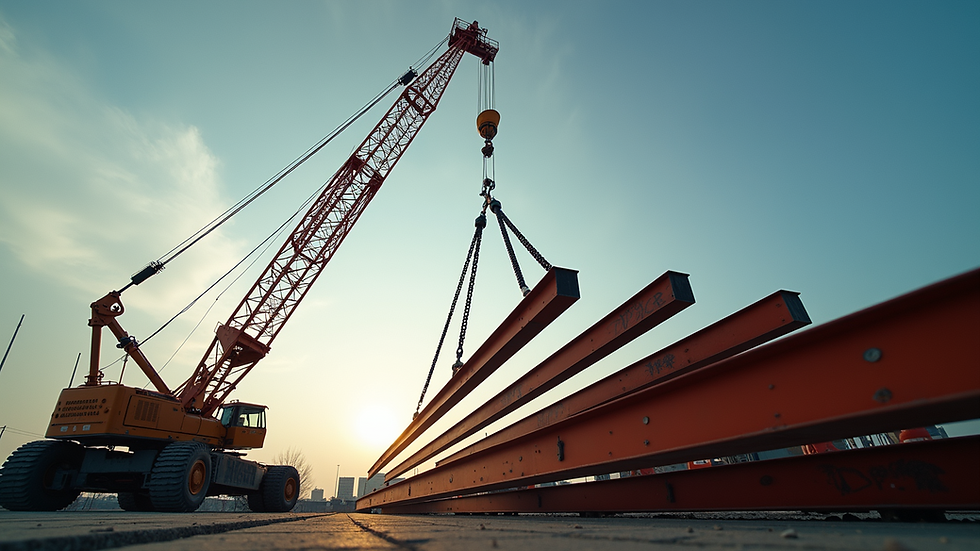
Key Requirements for LOLER Compliance Standards
To meet LOLER compliance standards, businesses should focus on several key areas:
Equipment Selection
Choose lifting equipment suitable for the load type and weight. Avoid overloading or using equipment beyond its capacity.
Regular Inspections
Conduct thorough examinations by a competent person at least every 6 or 12 months, depending on the equipment type and usage.
Maintenance and Repairs
Maintain equipment according to manufacturer guidelines. Promptly repair any defects or faults.
Training and Competence
Ensure operators and supervisors are trained and competent in safe lifting practices and equipment use.
Risk Assessment and Planning
Plan lifting operations carefully, considering load characteristics, environmental conditions, and potential hazards.
Record Keeping
Maintain detailed records of inspections, maintenance, and training.
Following these requirements reduces the risk of accidents and ensures compliance with legal obligations.
What is the 3 3 3 Rule for Lifting?
The 3 3 3 rule is a simple guideline to promote safe manual handling and lifting. It advises:
3 seconds to prepare before lifting
3 feet as the maximum distance to carry the load
3 times the number of lifts before taking a break
This rule helps reduce strain and injury risk by encouraging proper preparation, limiting carrying distance, and managing workload. While LOLER focuses on mechanical lifting equipment, the 3 3 3 rule complements these regulations by promoting safe manual handling practices on site.
Implementing Safe Lifting Operations in Your Business
Implementing safe lifting operations requires a systematic approach. Here are practical steps to ensure compliance and safety:
Conduct a thorough risk assessment before every lifting task. Identify hazards such as unstable ground, overhead obstructions, or poor weather conditions.
Select the right equipment for the job. Use lifting gear with appropriate load ratings and certifications.
Train your team on LOLER requirements and safe lifting techniques. Regular refresher courses help maintain awareness.
Schedule regular inspections and maintenance. Use checklists to ensure no aspect is overlooked.
Use clear communication during lifting operations. Employ hand signals, radios, or other methods to coordinate safely.
Document all procedures and inspections. Keep records accessible for audits and continuous improvement.
By following these steps, businesses can reduce downtime, prevent accidents, and demonstrate commitment to safety.

Benefits of LOLER Compliance for Construction and Industrial Sectors
Adhering to LOLER compliance standards offers several benefits:
Enhanced Safety
Reduces the risk of accidents, injuries, and fatalities related to lifting operations.
Legal Protection
Ensures compliance with UK health and safety laws, avoiding fines and legal action.
Improved Equipment Longevity
Regular maintenance and inspections extend the life of lifting equipment.
Operational Efficiency
Well-maintained equipment and trained staff reduce downtime and improve productivity.
Reputation and Trust
Demonstrates a commitment to safety, which can attract clients and partners.
For businesses in construction, manufacturing, and industrial sectors, these benefits translate into safer workplaces and stronger commercial positions.
Partnering with Experts for Safe Lifting Operations
Achieving and maintaining LOLER compliance can be complex. Partnering with experienced providers like AA Lifting Solutions ensures expert guidance and support. They offer:
Comprehensive equipment inspections and certifications
Tailored training programmes for staff
Risk assessment and lifting plan development
Ongoing maintenance and repair services
Working with specialists helps businesses stay up to date with regulations and best practices. It also frees internal resources to focus on core operations while ensuring safe lifting operations.
Investing in expert support is a proactive step towards safer, more efficient lifting processes.
Moving Forward with Confidence in Lifting Safety
LOLER compliance standards are essential for safe and effective lifting operations. By understanding the regulations, implementing best practices, and seeking expert support, businesses can protect their workforce and assets. Regular inspections, proper training, and thorough planning form the foundation of a safe lifting culture.
Prioritising safety in lifting operations not only meets legal requirements but also enhances operational performance and reputation. Embrace LOLER compliance as a strategic advantage and commit to continuous improvement in lifting safety.


Comments