Essential Considerations for LOLER Inspections in Lifting Operations
- AA LIFTING SOLUTIONS
- Nov 12, 2025
- 4 min read
Updated: Dec 1, 2025
Lifting operations are critical to many industries, but they carry inherent risks that demand strict safety measures. The Lifting Operations and Lifting Equipment Regulations 1998 (LOLER) set the legal framework to ensure lifting equipment is safe to use. Understanding the key considerations for LOLER inspections helps businesses maintain compliance, protect workers, and avoid costly downtime.
LOLER inspections are not just a legal requirement; they are a vital part of managing lifting equipment safely and effectively. This post outlines the essential factors to consider when planning and conducting LOLER inspections, with practical advice for companies involved in lifting operations.
Understanding the Scope of LOLER Inspections
LOLER applies to all lifting equipment used at work, including cranes, hoists, forklifts, and lifting accessories such as slings and shackles. The regulations require that equipment is:
Strong and stable enough for its intended use
Inspected regularly by a competent person
Maintained in safe condition
Inspections under LOLER fall into two main categories:
Thorough examinations at set intervals, depending on equipment type and usage
Frequent visual checks by operators or supervisors
The competent person conducting the inspection must have the necessary skills, knowledge, and experience to identify defects and assess risks. This ensures that any issues are detected early and addressed before they cause accidents.
Key Elements of a Thorough LOLER Inspection
A thorough LOLER inspection involves a detailed examination of the lifting equipment and its components. Inspectors look for signs of wear, damage, corrosion, and any other defects that could affect safety. Important aspects include:
Structural integrity of the equipment frame and load-bearing parts
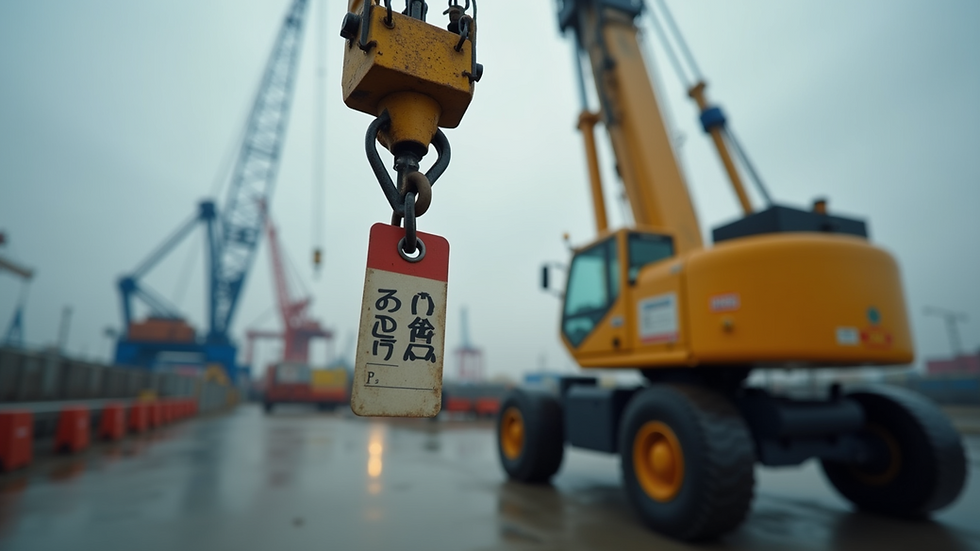
Condition of ropes, chains, slings, and hooks
Functionality of safety devices and controls
Proper markings and identification
For example, a crane’s wire ropes must be checked for broken strands or corrosion, while lifting slings should be examined for cuts or deformation. Any defects found must be recorded, and the equipment may need repair or withdrawal from service until safe.
Scheduling Inspections Based on Risk and Usage
LOLER requires inspections at regular intervals, but the exact timing depends on the type of equipment and how often it is used. Typical intervals include:
Every 6 months for lifting equipment used to lift people
Every 12 months for other lifting equipment
More frequent inspections may be necessary if the equipment is used in harsh environments or under heavy loads. Conversely, equipment used less often may have longer intervals, but this must be justified by a risk assessment.
Companies should maintain a clear inspection schedule and keep records of all examinations. This documentation is essential for demonstrating compliance during audits or investigations.

Compliance with Related Regulations and Standards
LOLER inspections do not operate in isolation. They must be integrated with other safety regulations such as:
PUWER (Provision and Use of Work Equipment Regulations), which covers the safe use of work equipment
BS 7121, the British Standard for safe use of cranes, including lift planning and supervision
For example, a lifting operation must have a detailed lift plan and method statement under BS 7121, which complements the equipment inspection requirements of LOLER. Ensuring compliance with all relevant standards creates a safer working environment and reduces legal risks.
Practical Tips for Managing LOLER Inspections
Managing LOLER inspections effectively requires organisation and clear communication. Here are some practical tips:
Book inspections early to avoid delays, especially for critical equipment
Provide detailed information to the inspection team, including equipment type, site location, and any known issues
Keep equipment accessible and ensure operators are available to assist
Review inspection reports promptly and act on recommendations without delay
If you need assistance with booking inspections or have questions about compliance, AA Lifting Solutions offers expert support. Our team can help schedule thorough examinations, provide lift and shift consultations, and carry out pull testing to verify equipment strength.

When to Contact a Specialist for Inspections
Some situations require urgent or specialised attention, such as:
Equipment failure or damage detected during use
New lifting equipment introduced to site
Changes in lifting operations or load types
Requests for same-day inspections or site visits
In these cases, it is best to contact a professional inspection service promptly. AA Lifting Solutions prioritises urgent requests and can provide certified inspections and advice to keep your operations safe and compliant.
If you want a quote, need a same-day response, or require a site visit, please contact contact@aaliftingsolutions.co.uk or use our contact form. Would you like me to forward this to our inspections team?
Conclusion
LOLER inspections are a cornerstone of safe lifting operations. By understanding the scope, scheduling thorough examinations, and integrating compliance with related standards, companies can reduce risks and protect their workforce. Planning inspections carefully and working with experienced professionals ensures lifting equipment remains safe and reliable.
Additional Considerations for Effective Lifting Operations
The Importance of Training
Training is essential for anyone involved in lifting operations. Proper training ensures that operators understand how to use equipment safely and effectively. Regular training sessions can help reinforce safety protocols and keep everyone updated on best practices.
Regular Maintenance
In addition to inspections, regular maintenance is crucial. This includes routine checks and servicing of equipment to ensure it remains in good working order. A proactive maintenance schedule can prevent issues before they arise, ensuring safety and compliance.
Risk Assessments
Conducting thorough risk assessments is vital. These assessments should evaluate the specific lifting operations and identify potential hazards. By understanding the risks, companies can implement appropriate control measures to mitigate them.
Staying Informed on Regulations
Regulations can change. It is important to stay informed about any updates to LOLER and related regulations. Regularly reviewing these regulations ensures that your company remains compliant and up to date with industry standards.
By focusing on these additional considerations, businesses can enhance their lifting operations and ensure a safer working environment.

Comments