Exploring Industrial Lifting Solutions UK: A Practical Guide
Lifting heavy materials safely and efficiently is a critical challenge in construction, manufacturing, and industrial sectors. Choosing the right lifting solutions can improve productivity, reduce risks, and ensure compliance with UK safety standards. In this post, I explore key aspects of industrial lifting solutions in the UK, focusing on practical advice and expert insights.
Understanding Industrial Lifting Solutions UK
Industrial lifting solutions cover a broad range of equipment and services designed to move heavy loads. These include cranes, hoists, lifting beams, slings, and accessories. Each solution must meet specific operational needs and safety regulations.
In the UK, lifting operations are governed by strict laws such as the Lifting Operations and Lifting Equipment Regulations (LOLER). Compliance is not optional; it is essential to avoid penalties and ensure worker safety.
When selecting lifting equipment, consider:
Load capacity and weight distribution
Site conditions and space constraints
Frequency and type of lifting tasks
Maintenance and inspection requirements
Proper planning and equipment choice reduce downtime and prevent accidents.

Key Features of Effective Industrial Lifting Solutions UK
Effective lifting solutions combine safety, efficiency, and adaptability. Here are some features to prioritise:
Robust Design: Equipment must withstand harsh environments and heavy use.
Ease of Operation: Controls should be intuitive to reduce operator error.
Versatility: Solutions that handle various load types and sizes add value.
Compliance: Equipment must meet UK safety standards and certifications.
Service Support: Access to maintenance, inspections, and repairs is vital.
For example, modular lifting beams allow quick adjustments to different load widths, improving flexibility on site. Similarly, electric hoists with variable speed controls enhance precision and safety.
Choosing the Right Partner for Lifting Solutions
Selecting a reliable partner is as important as choosing the right equipment. A good provider offers:
Expert advice tailored to your project needs
Comprehensive product range
Training and certification support
Responsive after-sales service
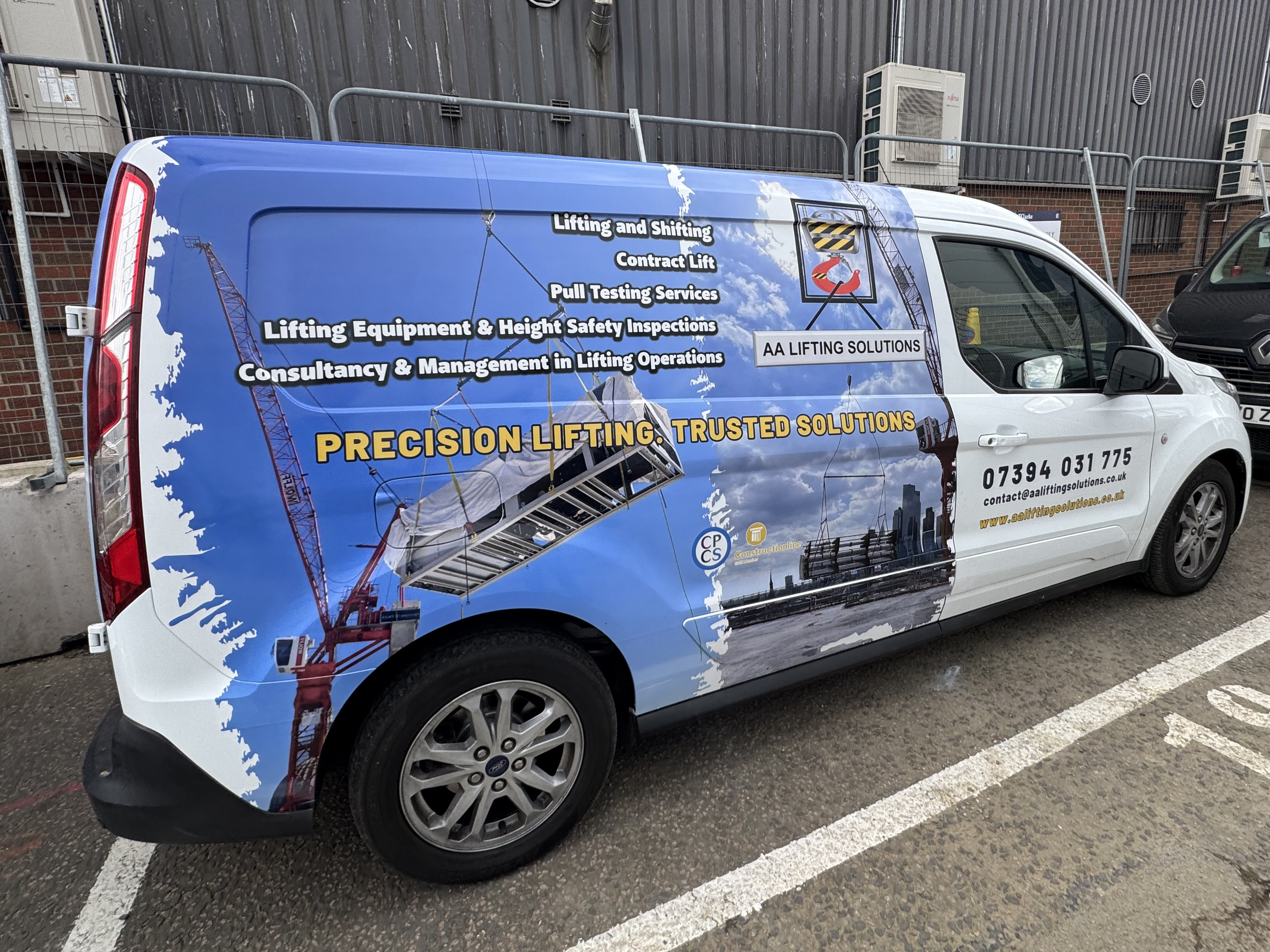
I recommend exploring aa lifting solutions for their proven track record in delivering safe and compliant lifting operations across the UK. Their expertise spans construction, manufacturing, and industrial sectors, making them a trusted choice.

Practical Tips for Safe Lifting Operations
Implementing industrial lifting solutions requires more than just equipment. Follow these practical tips to enhance safety and efficiency:
Conduct Risk Assessments: Identify hazards before starting any lifting task.
Train Operators: Ensure all personnel are competent and certified.
Inspect Equipment Regularly: Check for wear, damage, and compliance.
Use Proper Signalling: Clear communication prevents accidents.
Plan Lifts Thoroughly: Consider load weight, path, and environmental factors.
Maintain Clear Work Areas: Remove obstacles and ensure good visibility.
By integrating these practices, businesses can reduce downtime and protect their workforce.
Future Trends in Industrial Lifting Solutions UK
The lifting industry is evolving with technology and sustainability in focus. Key trends include:
Automation: Remote-controlled and automated lifting systems improve precision and reduce human error.
Lightweight Materials: Advanced alloys and composites reduce equipment weight without sacrificing strength.
Digital Monitoring: Sensors and IoT devices enable real-time condition monitoring and predictive maintenance.
Eco-Friendly Solutions: Energy-efficient motors and recyclable materials support environmental goals.
Staying informed about these trends helps businesses plan for long-term efficiency and compliance.
Enhancing Project Success with Expert Lifting Solutions
Choosing the right industrial lifting solutions UK is a strategic decision. It impacts project timelines, safety records, and operational costs. By partnering with experienced providers and following best practices, businesses can achieve reliable, compliant, and efficient lifting operations.
I encourage you to evaluate your current lifting setup and consider how expert solutions can support your next project. Investing in quality equipment and professional support pays off in safety and productivity.
This guide aims to provide clear, actionable information for businesses seeking to improve their lifting operations. For tailored advice and solutions, consider consulting specialists who understand the unique demands of UK construction, manufacturing, and industrial environments.


Comments