Understanding Contract Lifting Services in the UK: Lifting Services Explained UK
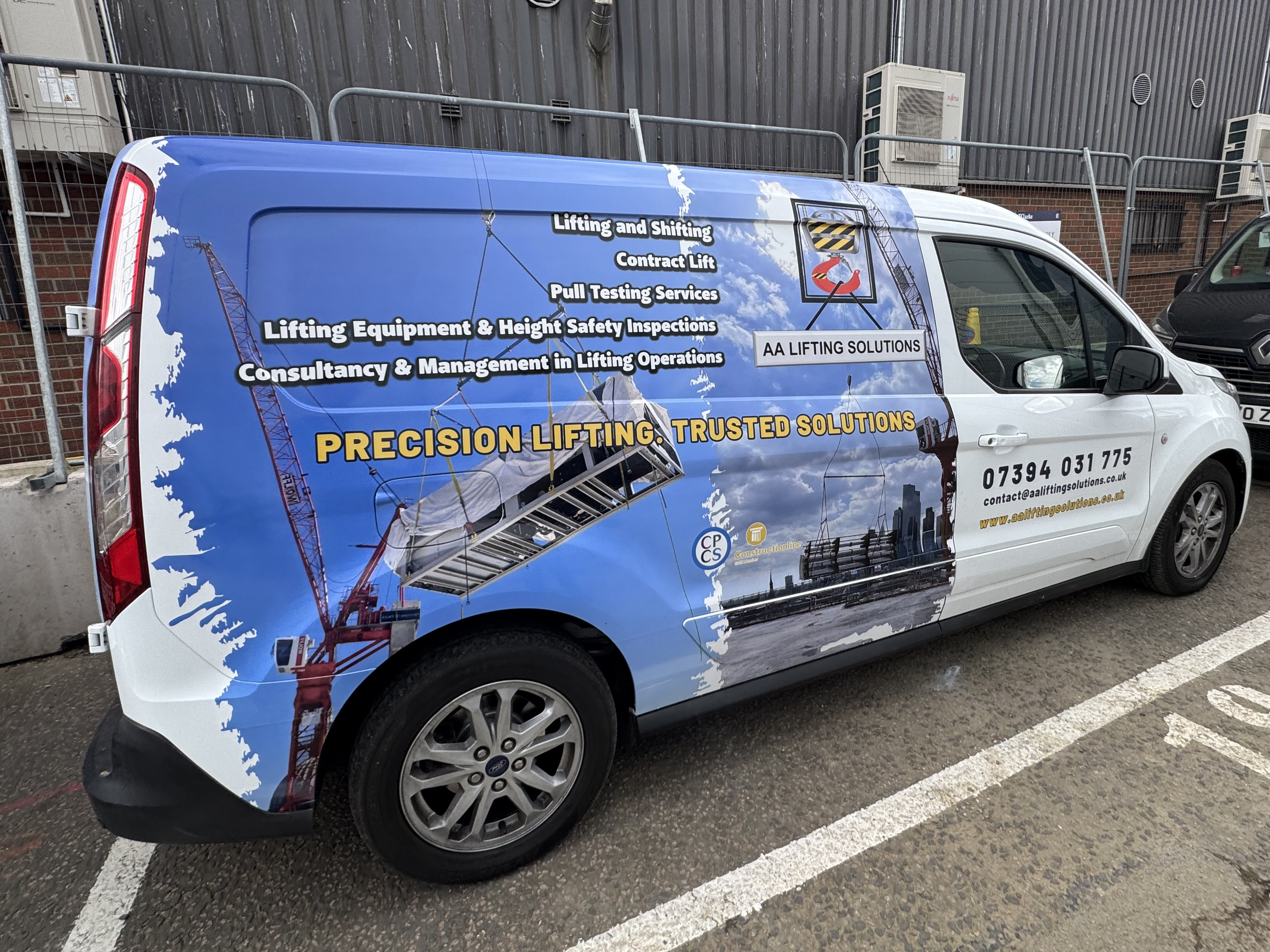
Contract lifting services play a crucial role in the construction, manufacturing, and industrial sectors across the UK. These services ensure that heavy loads are moved safely, efficiently, and in compliance with legal standards. In this article, I will explain the essentials of contract lifting services, their benefits, and how businesses can leverage them to improve operational safety and productivity.
What Are Contract Lifting Services?
Contract lifting services involve the provision of specialised equipment and skilled personnel to handle lifting operations on a contractual basis. These services cover a wide range of activities, including crane hire, rigging, lifting equipment inspection, and load management. The goal is to support businesses that require heavy lifting but may not have the resources or expertise to manage these tasks internally.
Contract lifting providers supply the right machinery and trained operators to ensure that lifting tasks are completed safely and on schedule. This approach reduces the risk of accidents and equipment damage, which can lead to costly delays and legal issues.
Key Components of Contract Lifting Services
Crane Hire: From mobile cranes to tower cranes, the right type of crane is selected based on the project requirements.
Rigging and Slinging: Proper rigging techniques ensure that loads are securely attached and balanced during lifting.
Equipment Inspection and Maintenance: Regular checks guarantee that lifting gear meets safety standards.
Load Management: Planning and supervising lifts to avoid hazards and ensure compliance with regulations.

Lifting Services Explained UK: Compliance and Safety Standards
Understanding lifting services in the UK requires familiarity with the regulatory framework that governs lifting operations. The Health and Safety Executive (HSE) sets strict guidelines to protect workers and the public. Compliance with these standards is non-negotiable for any business involved in lifting activities.
The Lifting Operations and Lifting Equipment Regulations 1998 (LOLER) is the primary legislation. It mandates that all lifting equipment must be:
Thoroughly examined by a competent person before use and at regular intervals.
Maintained in a safe condition.
Used only by trained and authorised personnel.
Contract lifting services providers ensure that all equipment and operations comply with LOLER and other relevant standards. This compliance reduces liability and enhances workplace safety.
Practical Steps for Compliance
Risk Assessment: Identify potential hazards related to lifting tasks.
Equipment Selection: Choose lifting gear suitable for the load and environment.
Operator Training: Ensure operators hold valid certifications.
Documentation: Keep detailed records of inspections and maintenance.

Benefits of Using Contract Lifting Services
Outsourcing lifting operations to a specialist provider offers several advantages:
Expertise: Access to trained operators and riggers who understand complex lifting requirements.
Cost Efficiency: Avoid the expense of purchasing and maintaining lifting equipment.
Flexibility: Scale lifting resources up or down depending on project needs.
Safety Assurance: Reduced risk of accidents through professional handling and compliance.
Time Savings: Faster project completion due to efficient lifting operations.
For example, a manufacturing plant needing to install heavy machinery can hire contract lifting services to manage the entire process. This approach ensures the machinery is moved and positioned safely without disrupting production schedules.
Choosing the Right Contract Lifting Service Provider
Selecting a reliable contract lifting service provider is critical. Here are some factors to consider:
Experience: Look for providers with a proven track record in your industry.
Certifications: Verify that operators and equipment meet UK safety standards.
Range of Equipment: Ensure the provider can supply the necessary machinery for your specific tasks.
Customer Support: Responsive communication and problem-solving capabilities.
Insurance and Liability: Confirm adequate coverage for potential risks.
Requesting references and case studies can provide insight into a provider’s reliability and quality of service.
Enhancing Operational Efficiency with Contract Lifting Services
Integrating contract lifting services into your operations can streamline workflows and improve safety. Here are actionable recommendations:
Plan Lifting Operations Early: Involve the lifting service provider during project planning to identify potential challenges.
Communicate Clearly: Share detailed load specifications and site conditions.
Schedule Regular Inspections: Maintain equipment integrity throughout the project.
Train Internal Staff: Complement external expertise with internal awareness of lifting safety.
By following these steps, businesses can reduce downtime and avoid costly accidents.
Final Thoughts on Contract Lifting Services in the UK
Contract lifting services are essential for businesses handling heavy loads in construction, manufacturing, and industrial sectors. They provide expert support, ensure compliance with UK safety regulations, and enhance operational efficiency. Partnering with a reputable provider can help businesses manage lifting tasks safely and cost-effectively.
For those seeking reliable and compliant lifting solutions, exploring contract lifting services uk is a practical step toward safer and more efficient operations.


Comments