Understanding Lifting and Shift Plant for Safer and Efficient Operations
Lifting and shift plant equipment plays a vital role in construction, manufacturing, and industrial sectors. These machines help move heavy loads safely and efficiently, reducing manual labour and speeding up projects. Knowing how to select, use, and maintain this equipment is essential for any business aiming to improve its lifting operations.
What Is Lifting and Shift Plant?
Lifting and shift plant refers to machinery designed to lift, move, and position heavy materials or equipment on a worksite. This includes cranes, forklifts, hoists, and other specialised vehicles. These machines handle loads that are too heavy or bulky for manual handling, ensuring safety and productivity.
Using the right lifting and shift plant reduces the risk of accidents and damage to materials. It also helps meet legal requirements for workplace safety. For example, lifting equipment must comply with the Lifting Operations and Lifting Equipment Regulations (LOLER) in the UK.
Types of Lifting and Shift Plant
There are several types of lifting and shift plant, each suited to different tasks:
Mobile Cranes: These cranes can move around a site and lift heavy loads vertically and horizontally. They are versatile and common in construction.
Forklifts: Used mainly in warehouses and factories, forklifts lift and transport pallets and other goods over short distances.
Telehandlers: These machines combine features of cranes and forklifts. They have extendable arms to reach high or difficult places.
Hoists and Winches: These are fixed or portable devices used to lift or pull loads vertically or horizontally.
Choosing the right equipment depends on the load size, weight, site conditions, and the task’s complexity.
How to Choose the Right Lifting and Shift Plant
Selecting the correct lifting and shift plant is crucial for safety and efficiency. Here are key factors to consider:
Load Capacity: Ensure the equipment can handle the maximum weight safely.
Reach and Height: Consider how far and high the load needs to be moved.
Site Conditions: Check if the ground is stable and if there is enough space for manoeuvring.
Compliance: Equipment must meet UK safety standards and have valid inspection certificates.
Operator Skill: Choose machines that operators are trained and certified to use.
For example, a construction site with narrow access might benefit from a compact telehandler rather than a large mobile crane.
Maintaining Lifting and Shift Plant for Safety
Regular maintenance keeps lifting and shift plant in good working order and prevents accidents. Maintenance should include:
Daily inspections before use
Scheduled servicing by qualified technicians
Checking for wear and tear on cables, hooks, and brakes
Testing safety devices and controls
Keeping detailed maintenance records
Proper maintenance extends equipment life and ensures compliance with safety laws.

Telehandler lifting heavy materials on a construction site
Examples of Lifting and Shift Plant Solutions
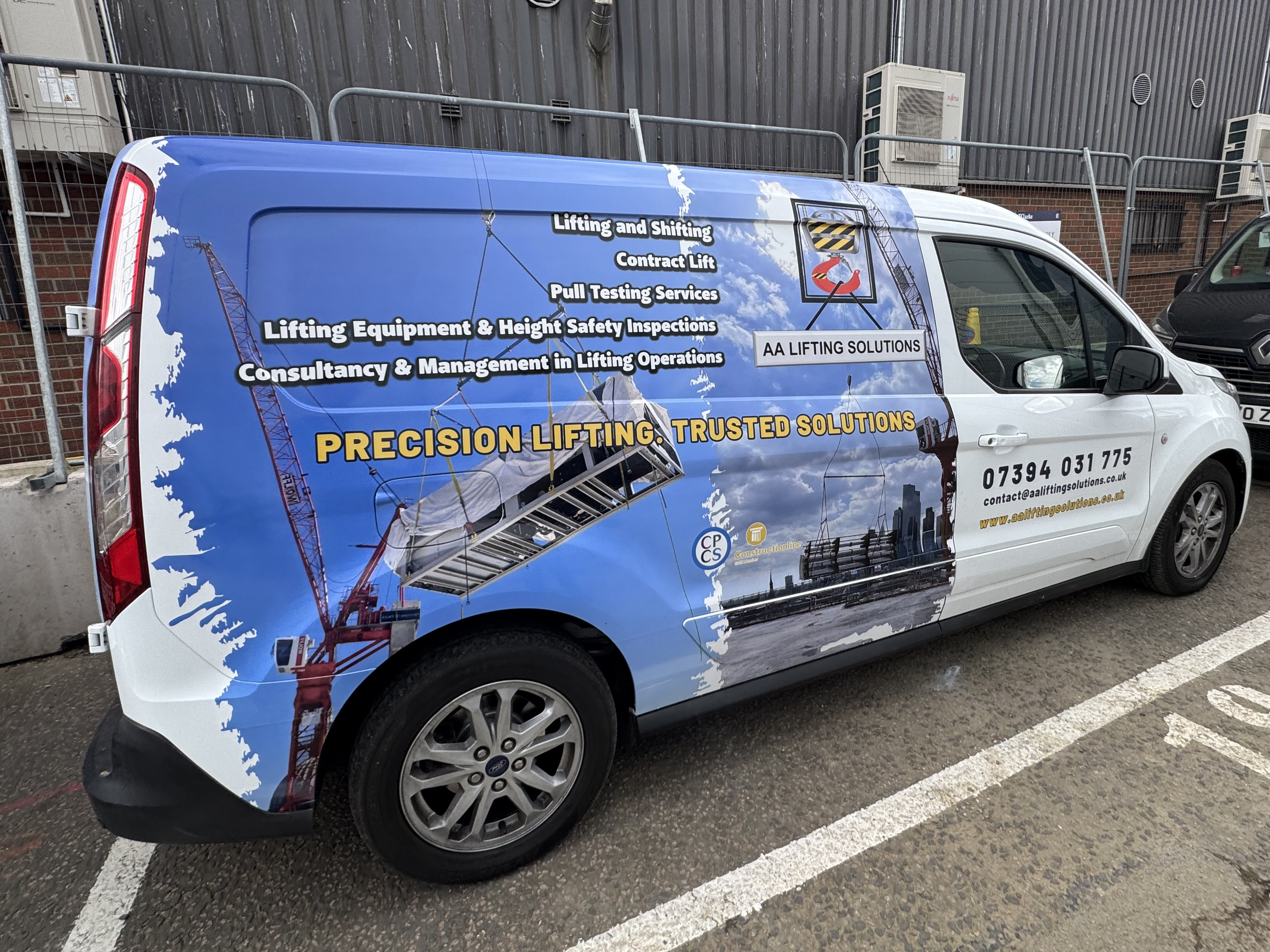
In my experience, businesses benefit from partnering with suppliers who offer reliable and compliant equipment. For instance, AA Lifting Solutions provides a range of lifting and shift plant tailored to UK industries.
One example is their Mobile Crane Hire service. These cranes come with trained operators and meet all safety standards. They are ideal for construction projects requiring heavy lifting and precise placement.
Another useful service is their Telehandler Rental. These machines are versatile and perfect for manufacturing sites needing to move materials quickly and safely.
Using such services helps businesses avoid downtime and ensures lifting tasks are done correctly.
Safety Tips When Using Lifting and Shift Plant
Safety must be the top priority when working with lifting and shift plant. Here are some practical tips:
Always conduct a risk assessment before starting work.
Use equipment only for its intended purpose.
Ensure operators have proper training and certification.
Keep the work area clear of unnecessary personnel.
Use spotters or signalers when visibility is limited.
Follow manufacturer guidelines for load limits and operation.
These steps reduce the chance of accidents and protect workers and equipment.

Crane hook securing heavy load
Benefits of Using Professional Lifting Services
Outsourcing lifting and shift plant needs to a professional company offers several advantages:
Access to a wide range of modern, well-maintained equipment
Experienced operators who understand safety and efficiency
Compliance with UK regulations and standards
Reduced risk of equipment failure and accidents
Flexibility to scale equipment needs based on project size
For example, AA Lifting Solutions offers tailored packages that fit different project requirements, helping businesses save time and money.
Conclusion
Lifting and shift plant is essential for moving heavy loads safely and efficiently in construction, manufacturing, and industrial settings. Choosing the right equipment, maintaining it properly, and following safety practices are key to successful operations.
Partnering with a trusted provider like AA Lifting Solutions can help businesses across the UK meet their lifting needs with confidence. Their range of services, including mobile crane hire and telehandler rental, supports safe and compliant lifting operations.
By focusing on safety, compliance, and efficiency, businesses can improve productivity and reduce risks on site. The right lifting and shift plant makes all the difference in achieving these goals.


Comments