Regulations for Safe Lifting Equipment Use
- AA LIFTING SOLUTIONS
- Dec 1, 2025
- 3 min read
Using lifting equipment safely is critical in construction, manufacturing, and industrial settings. Proper adherence to equipment safety standards prevents accidents, protects workers, and ensures smooth operations. I will guide you through the essential regulations and best practices for safe lifting equipment use. This knowledge helps businesses comply with legal requirements and maintain high safety levels.
Understanding Equipment Safety Standards
Equipment safety standards define the minimum requirements for design, maintenance, inspection, and operation of lifting equipment. These standards ensure that equipment performs reliably under expected loads and conditions. In the UK, compliance with these standards is mandatory under health and safety laws.
Key standards include:
Provision and Use of Work Equipment Regulations 1998 (PUWER): Requires that work equipment is suitable, maintained, and inspected regularly.
Lifting Operations and Lifting Equipment Regulations 1998 (LOLER): Focuses on the safe use of lifting equipment, including thorough examinations and proper planning.
British Standards (BS EN): Provide technical specifications for different types of lifting equipment.
Following these standards reduces the risk of equipment failure and injury. It also helps businesses avoid legal penalties and downtime.

Key Components of Equipment Safety Standards
Equipment safety standards cover several critical areas:
Design and Manufacture
Equipment must be designed to handle specified loads safely. Manufacturers must test and certify equipment before it reaches the market.
Inspection and Maintenance
Regular inspections identify wear, damage, or defects. Maintenance keeps equipment in good working order. Both are essential to prevent accidents.
Operator Training
Operators must be trained and competent. They should understand equipment limits, controls, and emergency procedures.
Safe Use and Planning
Lifting operations require careful planning. This includes risk assessments, selecting appropriate equipment, and ensuring clear communication.
Record Keeping
Detailed records of inspections, maintenance, and training must be kept. These documents prove compliance and help track equipment condition.
By focusing on these components, businesses can maintain high safety standards and protect their workforce.
What is mandatory for using lifting equipment?
Certain legal requirements are mandatory when using lifting equipment. These include:
Thorough Examinations
Lifting equipment must undergo thorough examinations by a competent person at regular intervals. For example, cranes and hoists require examinations every 6 or 12 months depending on usage.
Risk Assessments
Before any lifting operation, a risk assessment must be conducted. This identifies hazards and outlines control measures.
Load Testing
Equipment must be tested to confirm it can safely handle its maximum load. This testing is often part of the initial certification and after repairs.
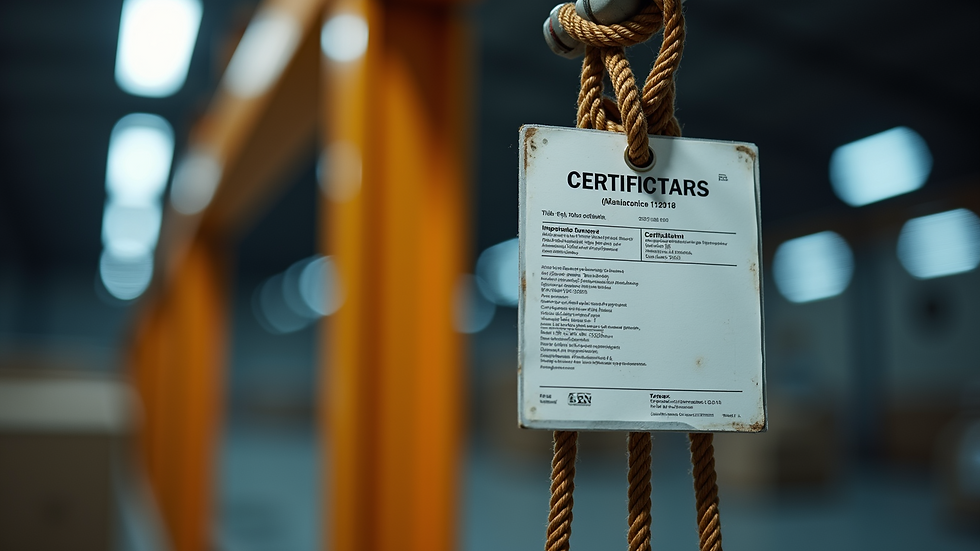
Marking and Identification
Equipment must be clearly marked with safe working loads and identification numbers.
Use of Suitable Equipment
Only equipment suitable for the specific task and load should be used. Using the wrong equipment increases risk.
Operator Competence
Operators must hold relevant qualifications and training certificates.
Meeting these mandatory requirements ensures compliance with UK health and safety laws and reduces the risk of accidents.
Practical Recommendations for Safe Lifting Equipment Use
To maintain compliance and safety, I recommend the following practical steps:
Schedule Regular Inspections
Set up a calendar for thorough examinations and routine checks. Use qualified inspectors to identify issues early.
Train All Operators
Provide comprehensive training on equipment use, safety procedures, and emergency response. Refresh training regularly.
Use Checklists
Implement pre-use checklists to verify equipment condition before each operation.
Maintain Clear Documentation
Keep detailed records of inspections, maintenance, and training. Store these securely and make them accessible.
Plan Lifting Operations Carefully
Assess the environment, load, and equipment. Communicate clearly with all involved personnel.
Invest in Quality Equipment
Purchase lifting equipment from reputable manufacturers that comply with British Standards.
Report and Repair Defects Immediately
Do not use equipment with visible damage or defects. Arrange repairs or replacements promptly.
Following these recommendations helps businesses maintain safe lifting operations and meet regulatory requirements.
Partnering for Compliance and Safety
Adhering to lifting equipment regulations is essential for safe and efficient operations. Partnering with experts who understand these regulations can simplify compliance. They provide inspection services, training, and advice tailored to your business needs.
Choosing a reliable partner ensures your lifting equipment meets all safety standards. This reduces downtime, prevents accidents, and protects your workforce. It also supports your business reputation as a responsible operator in the construction, manufacturing, and industrial sectors.
By prioritising equipment safety standards and working with trusted professionals, you can achieve safe, compliant, and efficient lifting operations across the UK.


Comments