Reliable Lifting Solutions for Your Construction Needs
- AA LIFTING SOLUTIONS
- Nov 17, 2025
- 3 min read
In construction, manufacturing, and industrial sectors, lifting heavy materials safely and efficiently is critical. Choosing the right equipment and methods can prevent accidents, reduce downtime, and improve productivity. I focus on reliable lifting options that meet safety standards and adapt to various project requirements. This article explores practical solutions and expert advice to help you manage lifting tasks with confidence.
Understanding Reliable Lifting Options
Reliable lifting options depend on the nature of the load, the environment, and the specific task. Common equipment includes cranes, hoists, forklifts, and lifting beams. Each has strengths and limitations. For example, cranes offer high reach and capacity but require space and skilled operators. Forklifts are versatile for moving pallets but less suitable for very heavy or awkward loads.
When selecting equipment, consider:
Load weight and dimensions
Height and reach needed
Worksite conditions (indoor/outdoor, terrain)
Frequency of use
Compliance with UK safety regulations
Using the right equipment reduces risk and increases efficiency. Regular maintenance and operator training are also essential to keep lifting operations safe and reliable.

Key Factors for Safe and Efficient Lifting
Safety is the top priority in any lifting operation. I recommend following these key factors:
Risk Assessment
Evaluate the site and task to identify hazards. Consider load stability, weather, and nearby personnel.
Proper Equipment Selection
Match the lifting device to the load and environment. Avoid overloading or using unsuitable gear.
Qualified Operators
Ensure operators have relevant certifications and experience. Training should cover equipment use and emergency procedures.
Regular Inspections
Check equipment before each use for wear, damage, or defects. Schedule professional inspections as required.
Clear Communication
Use signals or radios to coordinate movements. Everyone involved should understand the plan and safety measures.
Load Securing
Use appropriate slings, chains, or hooks. Confirm the load is balanced and stable before lifting.
Following these steps helps prevent accidents and equipment failure. It also supports compliance with UK health and safety laws.
Choosing the Right Equipment for Your Project
Different projects demand different lifting options. Here are some common choices and when to use them:
Mobile Cranes
Ideal for outdoor sites with heavy or bulky loads. They offer flexibility and high lifting capacity.
Tower Cranes
Suitable for tall buildings and long-term projects. They provide height and reach but require assembly.
Electric Hoists
Best for indoor or workshop use. They handle moderate loads and are easy to install.
Forklifts
Useful for moving pallets and materials over short distances. They work well on flat surfaces.
Lifting Beams and Spreaders
Help distribute load weight evenly. Essential for lifting large or irregularly shaped items.
Selecting the right equipment depends on project size, budget, and site conditions. Consulting with experts can ensure you choose the most effective and safe option.

Integrating Technology for Enhanced Lifting Operations
Modern technology improves lifting safety and efficiency. I recommend considering these advancements:
Load Monitoring Systems
Sensors measure weight and stress in real time. They alert operators to overload risks.
Remote Controls
Allow operators to control equipment from a safe distance, reducing exposure to hazards.
Automated Lifting Devices
Use programmed movements to increase precision and reduce human error.
Maintenance Software
Tracks inspection schedules and repairs to ensure equipment reliability.
Investing in technology can reduce downtime and improve safety compliance. It also supports data-driven decision-making for ongoing improvements.
Partnering with Experts for Reliable Lifting Solutions
For complex or large-scale projects, partnering with a specialist provider is invaluable. I recommend working with companies that offer comprehensive services, including:
Equipment supply and rental
Site assessment and planning
Operator training and certification
Maintenance and inspection services
Compliance advice and documentation
A trusted partner helps you implement the best practices and equipment tailored to your needs. They also provide ongoing support to keep lifting operations smooth and safe.
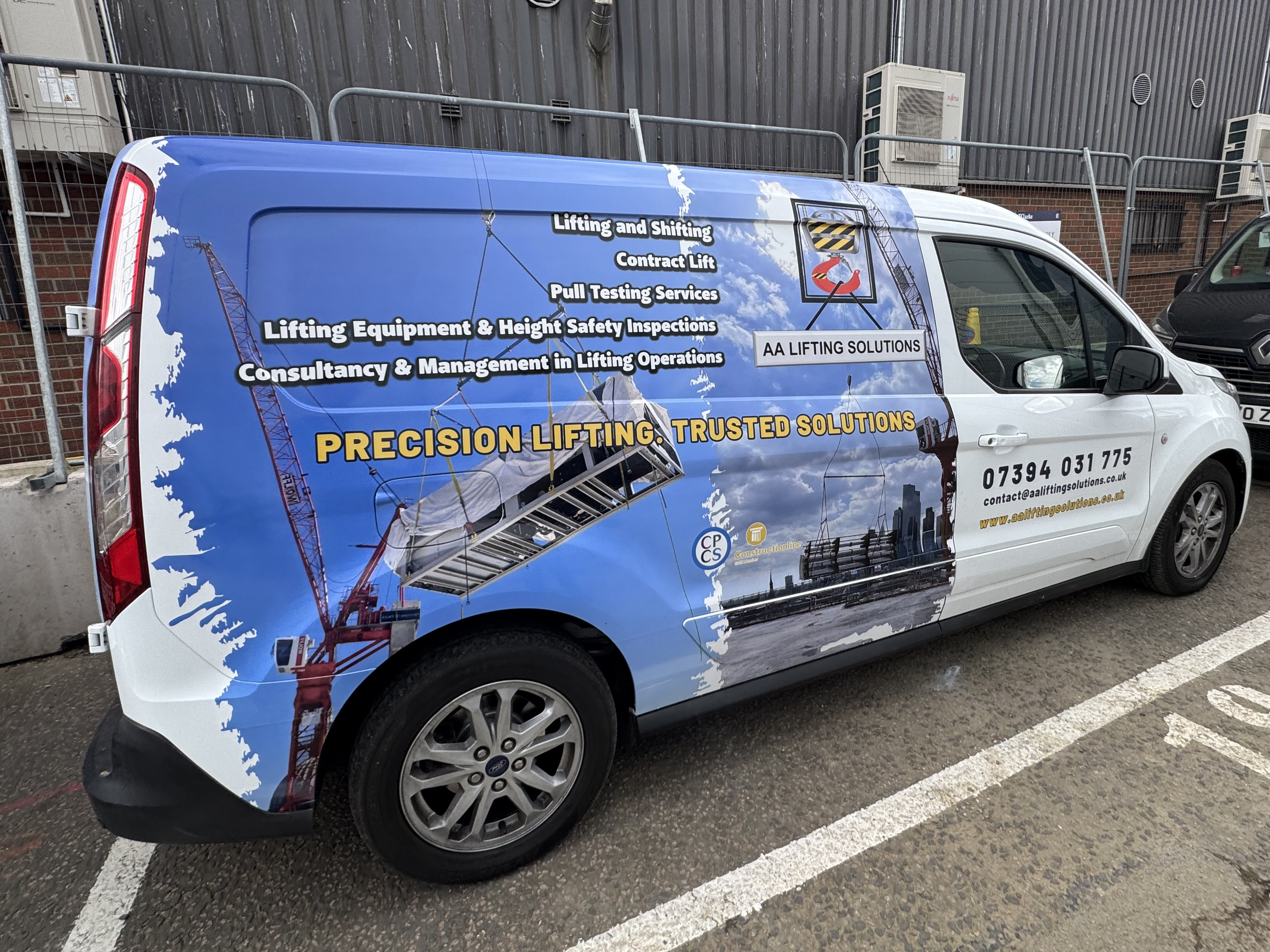
For example, AA Lifting Solutions offers expert advice and a wide range of equipment to meet UK construction and industrial demands. Their focus on safety and compliance makes them a reliable choice.
Maximising Efficiency with Proper Planning
Efficient lifting operations start with detailed planning. I suggest these steps:
Define lifting requirements clearly
Schedule lifts to avoid site congestion
Coordinate with other trades and deliveries
Prepare the site for equipment access and load placement
Plan for contingencies and emergency response
Good planning minimises delays and risks. It also helps control costs by avoiding equipment misuse or damage.
Final Thoughts on Reliable Lifting Options
Reliable lifting options are essential for safe, compliant, and efficient construction and industrial work. By understanding equipment capabilities, prioritising safety, integrating technology, and partnering with experts, you can optimise your lifting operations. Always plan carefully and maintain equipment to ensure long-term success.
Choosing the right lifting approach protects your workforce, assets, and project timelines. It also supports your reputation as a responsible and professional business in the UK construction and manufacturing sectors.


Comments